Who We Are
We are Unitarian Universalists
We are a religious community grounded on the principles of Unitarian Universalism that embrace the diversity of religious beliefs. We are a religion of deeds, not creeds.
-
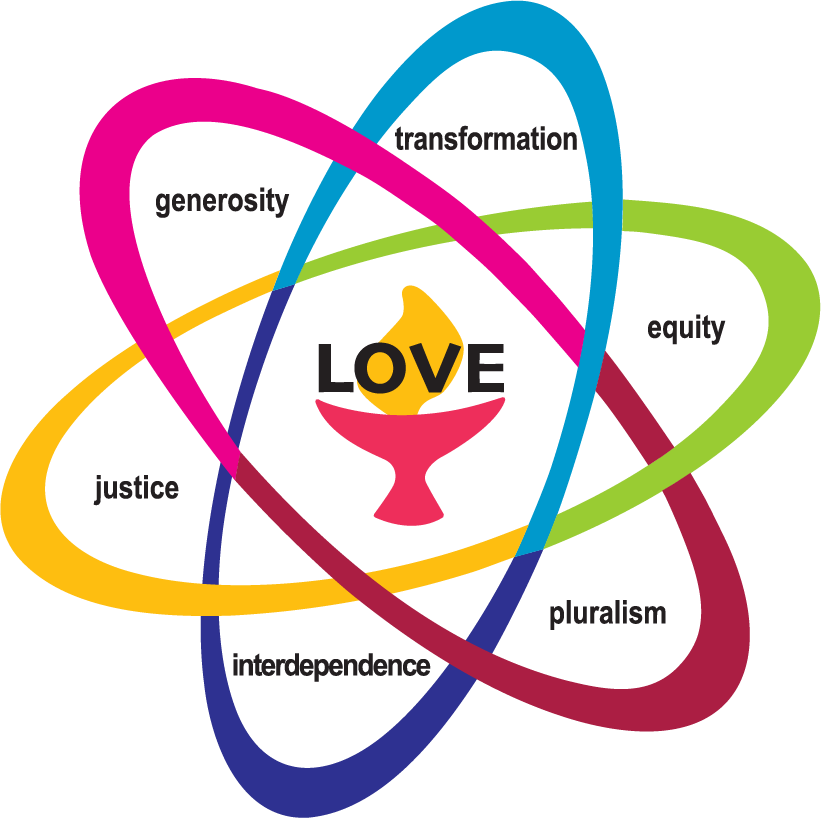
Unitarian Universalism is a living tradition that has changed in many ways from the original Christian roots of its Universalist and Unitarian heritages, and it continues to evolve today. Most recently, this evolution has taken the form of adopting new language to describe who we are as UUs. At General Assembly in June 2024, UUs voted to replace existing Seven Principles and Six Sources language in our bylaws with language describing Unitarian Universalism through these shared values, all centered around love:
Interdependence: We honor the interdependent web of all existence and acknowledge our place in it.
Pluralism: We are all sacred beings, diverse in culture, experience, and theology.
Justice: We work to be diverse multicultural Beloved Communities where all feel welcome and can thrive.
Transformation: We adapt to the changing world.
Generosity: We cultivate a spirit of gratitude and hope.
Equity: We declare that every person is inherently worthy and has the right to flourish with dignity, love, and compassion.
We arrived at this description of Unitarian Universalism after a multi-year process of discernment and discussion, writing and revision, and eventually a final democratic vote. The process of review and revision is mandated by UUA bylaws to happen every 15 years, and the language describing Unitarian Universalist faith has changed multiple times over the course of our history. We encourage you to review the final adopted language of Article II (PDF, 3 pages), which includes our Shared Values.
-
Unitarian Universalism theology pulls from six sources:
Direct experience of that transcending mystery and wonder, affirmed in all cultures, which moves us to a renewal of the spirit and an openness to the forces which create and uphold life;
Words and deeds of prophetic people which challenge us to confront powers and structures of evil with justice, compassion, and the transforming power of love;
Wisdom from the world’s religions which inspires us in our ethical and spiritual life;
Jewish and Christian teachings which call us to respond to God’s love by loving our neighbors as ourselves;
Humanist teachings which counsel us to heed the guidance of reason and the results of science, and warn us against idolatries of the mind and spirit.
Spiritual teachings of Earth-centered traditions which celebrate the sacred circle of life and instruct us to live in harmony with the rhythms of nature.
You can find more information from the UUA about our sources here.
-
There are seven principles which Unitarian Universalist congregations affirm and promote:
The inherent worth and dignity of every person;
Justice, equity and compassion in human relations;
Acceptance of one another and encouragement to spiritual growth in our congregations;
A free and responsible search for truth and meaning;
The right of conscience and the use of the democratic process within our congregations and in society at large;
The goal of world community with peace, liberty, and justice for all;
Respect for the interdependent web of all existence of which we are a part.
You can find more information from the UUA about our principles here.
Our Congregation
We seek to create a loving community, inspire joy and spiritual growth, and support courageous action.
As members and friends of NWUUC we affirm this covenant, grounded in our Seven Principles, as a statement of how we as a congregation intend to work with each other to create a vibrant, caring community.
We covenant to:
Speak our opinions and our feelings with care and compassion.
Seek to understand others’ truths by listening actively and respectfully.
Be kind.
Be calm.
Keep talking, directly with the parties involved, to resolve conflict or concerns.
Hold ourselves accountable for our words and actions.
Forgive imperfection.
Respect personal boundaries.
Leadership
-
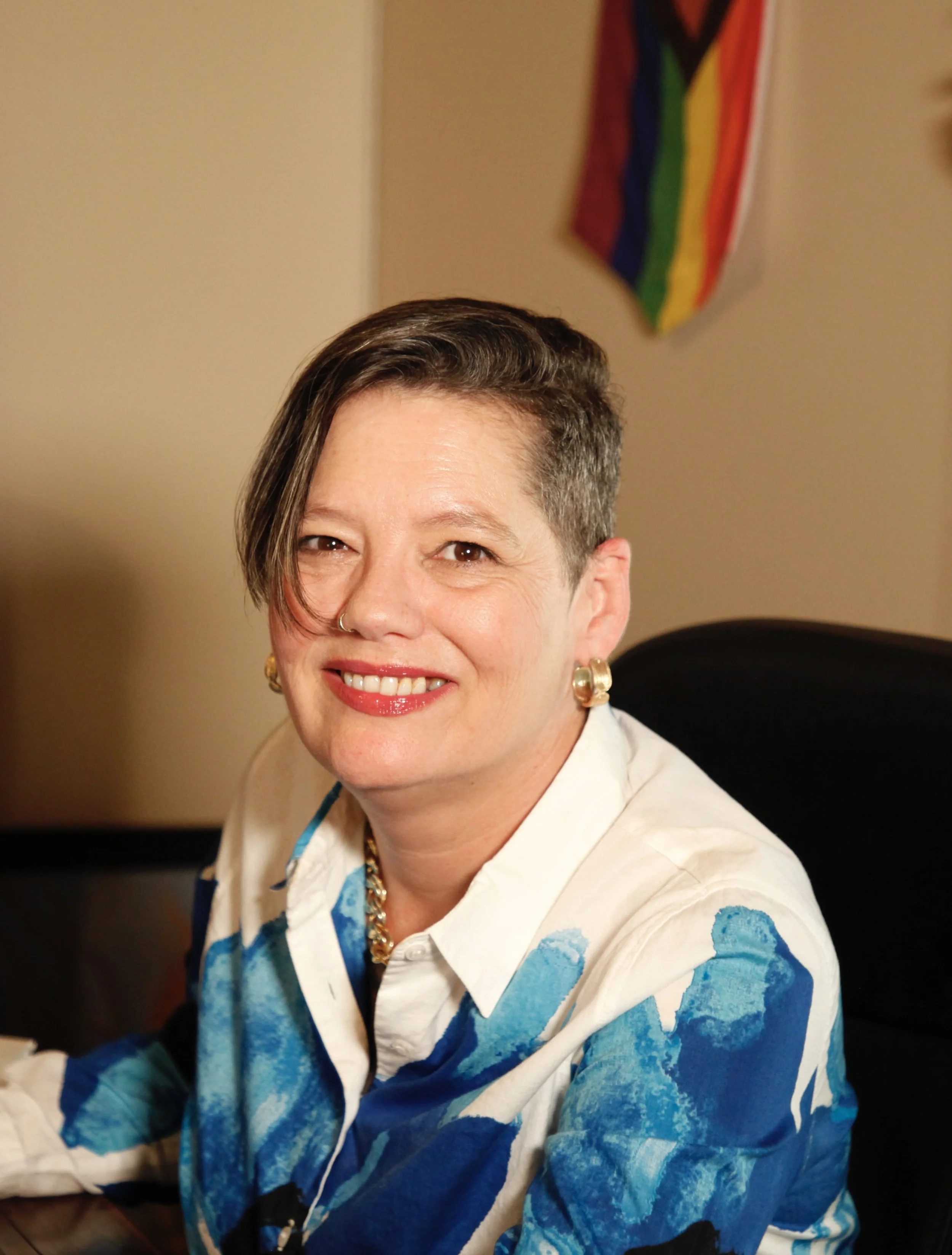
Rev. Jennifer Dalton
MINISTER
-
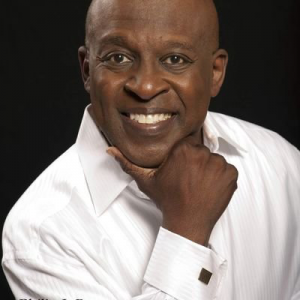
Dr. Philip J. Rogers
DIRECTOR OF MUSIC
Rev. Jenn Dalton is a Unitarian Universalist minister, writer, and community advocate serving in the Metro Atlanta area. A graduate of Candler School of Theology at Emory University, Jenn’s work is grounded in the belief that faith is not about having all the answers, but about showing up honestly to the questions.
With experience spanning congregational ministry, chaplaincy, and community-based case management, Jenn is skilled at meeting people where they are—whether in moments of transition, crisis, or growth. Her voice is both pastoral and prophetic, blending humor, cultural insight, and deep spiritual reflection.
Jenn is particularly drawn to themes of belonging, resilience, and justice, and is committed to building communities where authenticity is not only welcomed but celebrated.
She lives in North Georgia and brings an Appalachian-rooted perspective to her work, shaped by storytelling, community, and a deep respect for the complexity of people’s lives.
Philip J. Rogers earned the Bachelor of Science degree in Music Education from Kentucky State University and the Master of Music degree in Choral Conducting and the Doctor of Musical Arts degree in Vocal Performance from the University of Illinois.
Dr. Rogers is a bass-baritone vocal artist who performs diverse music genres from classical works to jazz, musical theater and gospel. He strives to educate, motivate, inspire, and support those interested in sharing their vocal gifts at an optimal performance level.
As a vocal/choral pedagogue he has conducted church, high school and college ensembles in Illinois, Indiana and Georgia and takes pride in establishing a solid and confident foundation in solo and choral musicians of all ages and skill sets.
Our History
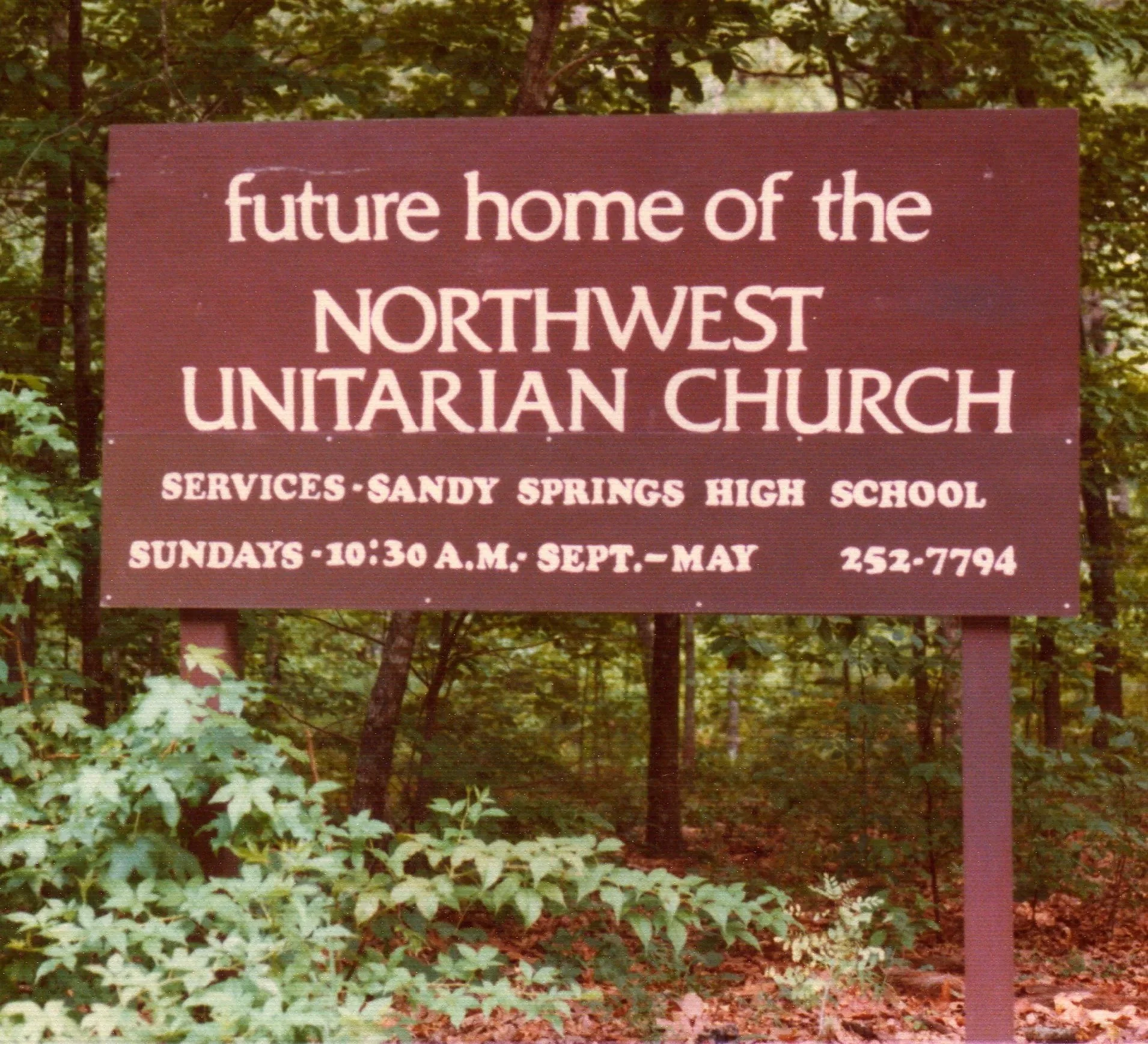
Based on a long range plan by the Unitarian Universalist Congregation of Atlanta, Northwest evolved from a third UUCA Sunday service to a fully established congregation in the greater Atlanta area. The Northwest Unitarian Universalist Congregation was formally established in June 1969.
The new congregation initially held services in the Liberty Guinn School in Sandy Springs and later at Sandy Springs Middle School. A five-acre wooded lot was purchased on Mt. Vernon Highway in 1971 to be the permanent home for Northwest.
Read more about our history here.